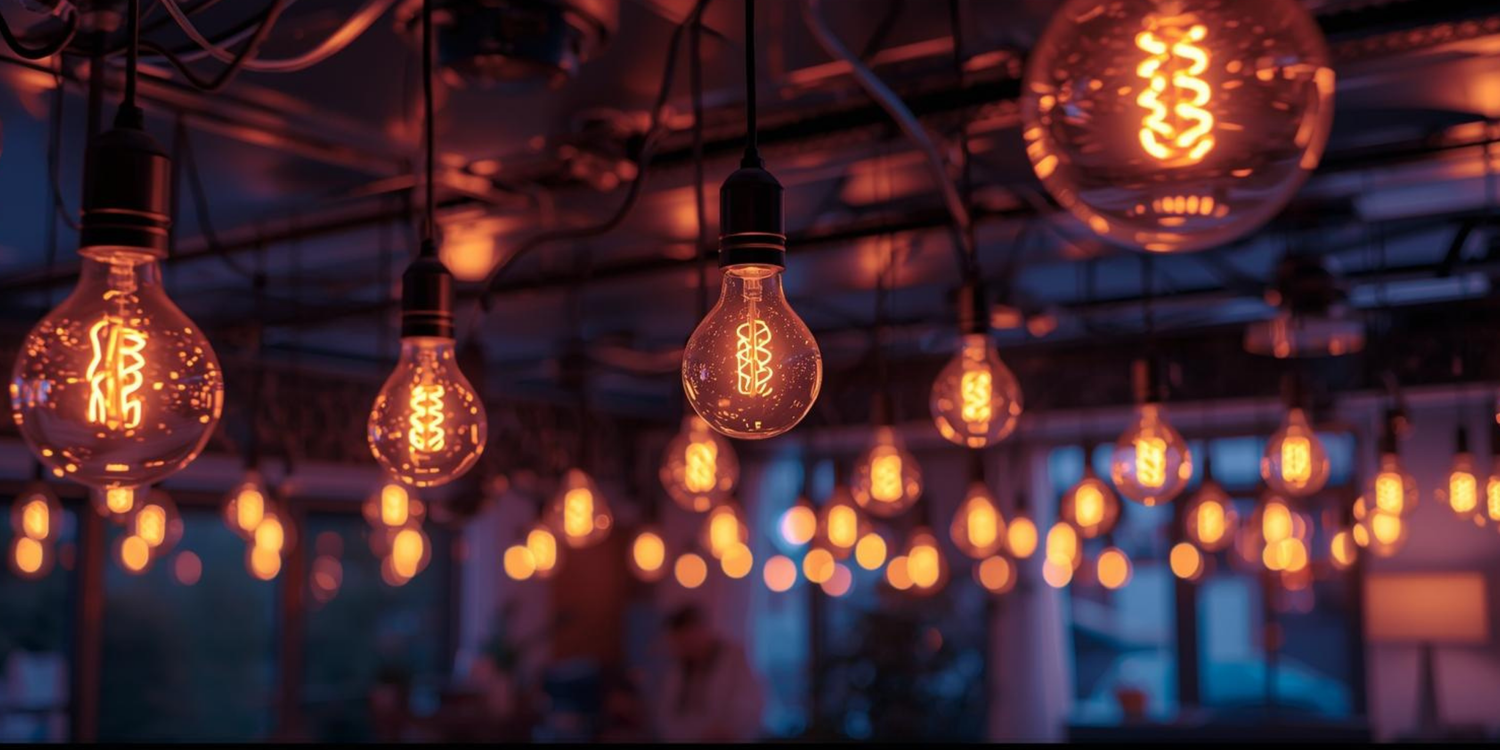
LED bulbs shape daily home lighting in simple and clear ways. Homes use many fixtures across rooms, and each fixture holds a unique role in daily life. LED bulbs bring long life, low heat, and steady brightness to these fixtures without extra struggle. People shift to LED bulbs to cut costs, build stable lighting patterns, and gain a softer tone in living rooms, kitchens, and bedrooms. These bulbs work in many fixtures such as ceiling lights, wall lights, table lamps, floor lamps, bathroom fittings, and outdoor areas. Homeowners gain simple control over colour, brightness, and size. A large range of LED Bulbs offers shapes for every fixture style and layout.
1. How LED Bulbs Fit Many Fixtures in a Home
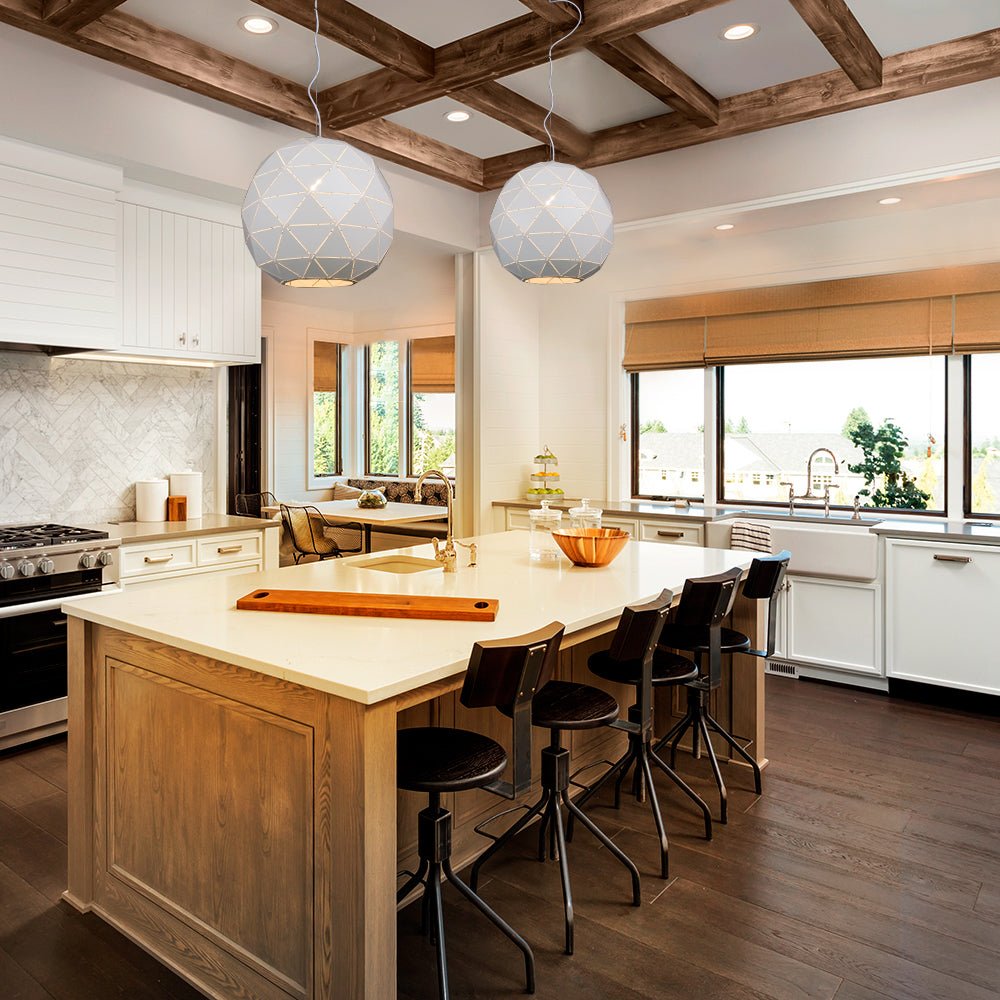
Homes contain many fixtures that support daily life. LED bulbs fit these fixtures with ease and give steady light in each room. Ceiling lights hold LED bulbs for wide light. Wall lights hold LED bulbs for soft glow. Table lamps hold LED bulbs for reading corners. Floor lamps hold LED bulbs for warm evening light. Each fixture works with LED bulbs in simple ways that suit every home layout.
People place LED bulbs in rooms where tasks need clear vision. Kitchens need bright tones for cooking. Living rooms need warm tones for calm moments. Bedrooms need soft tones that help the mind settle. Hallways need strong brightness for safe steps. LED bulbs support all these needs with simple tone changes and clear brightness levels.
LED bulbs fit many shapes and bases:
-
Standard bulb shapes for most ceiling lights
-
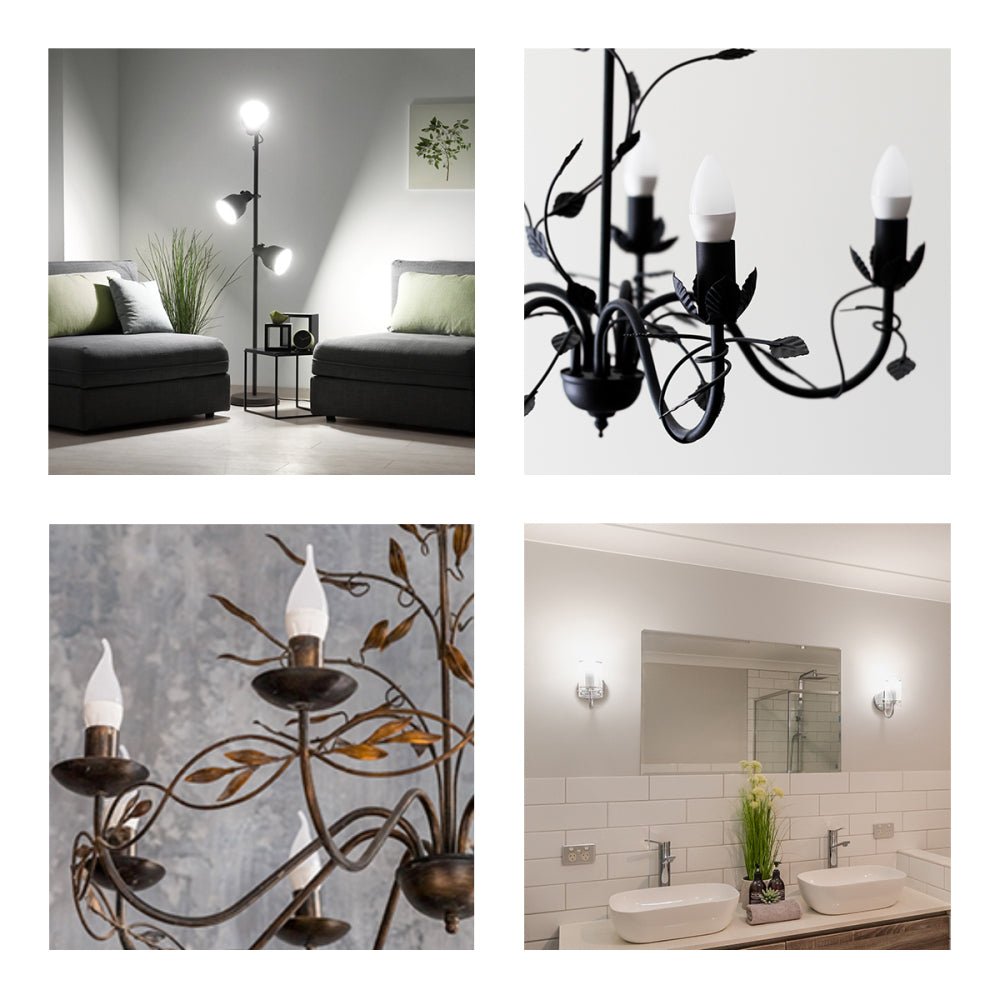
Candle shapes for wall lights or chandeliers
-
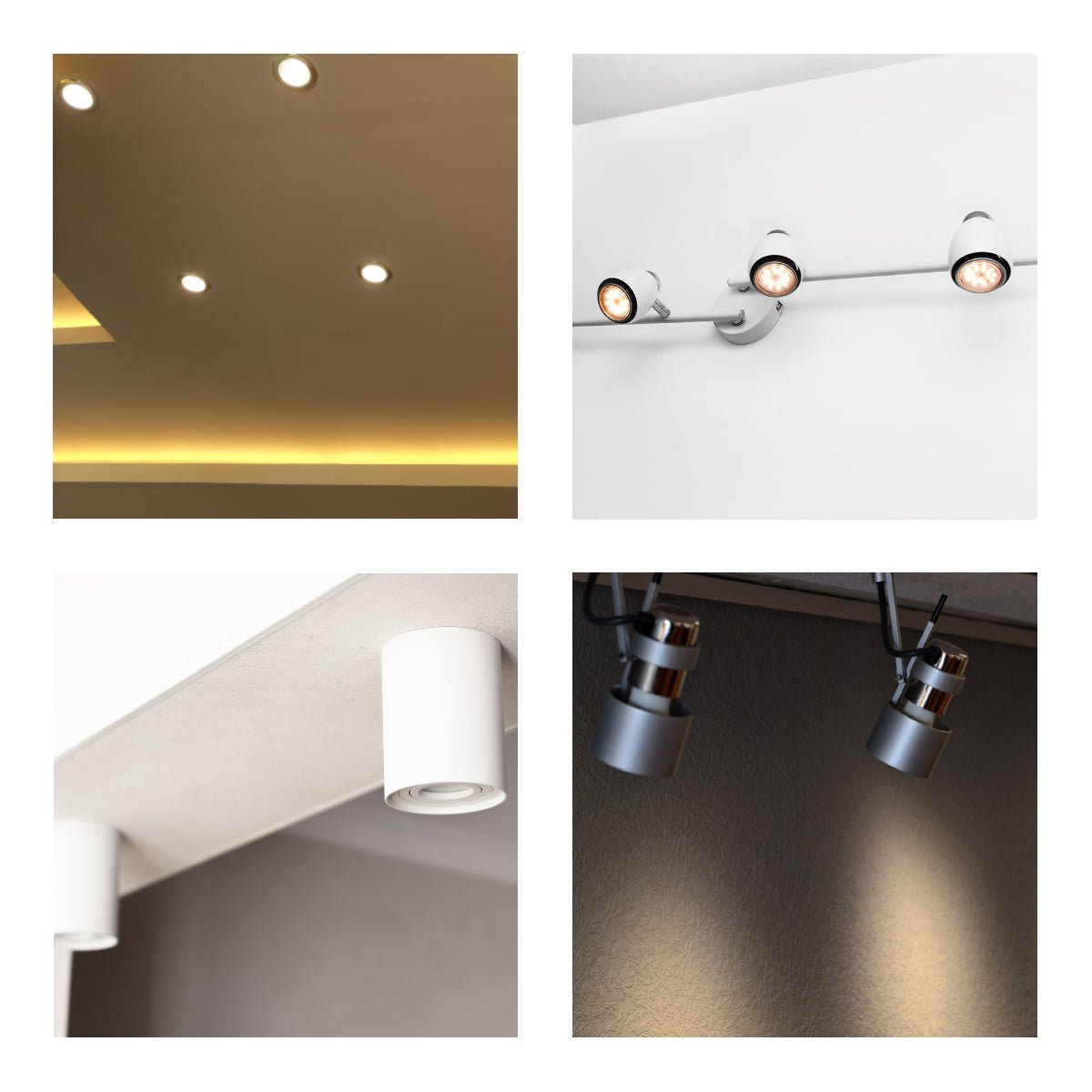
Spotlight shapes for track lights or kitchen counters
-
Globe shapes for open fixtures
-
Tube shapes for long fittings
LED bulbs also work in fixtures that sit low or high. A ceiling fixture holds a bright LED bulb for wide spread. A desk lamp holds a small LED bulb for focused tasks like writing or drawing. A kids’ room gains soft tones that help with rest and comfort. LED bulbs also stay cool during long use, so rooms stay more stable in temperature.
A wide range of shapes and styles sits ready for homes on LED Bulbs. People match each bulb to a fixture with steady confidence and simple checks.
 2. How LED Bulbs Reduce Long-Term Costs and Daily Power Use
Homes with LED bulbs see clear changes in monthly bills. LED bulbs draw low power, so lights run for long hours without high cost. Old bulbs draw more energy and need many changes. LED bulbs run for thousands of hours and keep the same brightness across time. This long run time helps families save money as months pass.
LED bulbs also stay cool. Old bulbs heat up and spread warmth in small rooms. LED bulbs give light with far less heat. Rooms stay calm and more stable as a result. Kitchens gain a cooler feel during long cooking hours. Bedrooms stay calmer during late reading hours.
People track savings with simple points:
-
Low power draw
-
Long bulb life
-
Fewer replacements
-
Lower heat output
-
Stable brightness
Each LED bulb helps shape a pattern of daily savings. A kitchen with long cooking time gains clear light with small energy use. A living room with long family hours gains warm tones with fewer replacements. A home office gains crisp light for reading, typing, and work tasks without strain on the eyes.
A wide product range on LED Bulbs helps families pick bulbs with low energy use and clear output. Each bulb gives a label with watt use, brightness level, and colour tone. People match these labels to their needs and watch their bills shift downward over time.
3. How Colour Temperature Shapes Mood and Practical Use
Colour temperature guides how each room feels. LED bulbs offer warm, cool, and daylight tones that shape mood and function. Warm tones create calm spaces for rest or family time. Cool tones create sharp spaces for cooking or desk tasks. Daylight tones create balanced spaces with clear visibility.
Warm tones suit bedrooms, reading corners, and evening use. These tones help the mind settle into soft states. Lamps with warm LED bulbs give soft light across pillows, desks, and shelves.
Cool tones suit kitchens, work areas, and craft spaces. These tones help with tasks that need focus. Food prep, chopping, cleaning, and writing all gain clarity with cool light.
Daylight tones suit living rooms, hallways, and bathrooms. These tones give even visibility across wide spaces and support daily routines.
People shape rooms with simple choices:
-
Warm tone for rest
-
Cool tone for tasks
-
Daylight tone for all-around clarity
-
Soft lumens for small rooms
-
High lumens for wide rooms
LED bulbs offer many tone labels. Warm tones sit near 2700K. Cool tones sit near 4000K. Daylight tones sit near 5000K to 6500K. These numbers help guide choices for each fixture. Bedrooms gain warm bulbs. Kitchens gain cool bulbs. Bathrooms gain daylight bulbs.
Families explore tone options through LED Bulbs and pick bulbs that guide mood, comfort, safety, and visual clarity across all hours.
 4. How LED Bulb Shapes Affect Spread, Shadow, and Room Layout
LED bulbs come in many shapes that change how light spreads across a room. Round bulbs give wide spread. Candle bulbs give slim spread that suits wall lights. Globe bulbs give soft spread that suits open fixtures. Spot bulbs give tight spread that suits task lighting.
Round bulbs fill living rooms with even light. This shape sends light across wide spaces and helps people see furniture, walls, and art pieces. Round bulbs work well in ceiling fixtures, flush mounts, and floor lamps.
Candle bulbs shape decorative fixtures. A chandelier looks tidy with candle bulbs that match its slim frame. Wall lights also gain soft glow from candle bulbs.
Spot bulbs give focused light. Kitchens or work corners gain strong clarity from spot bulbs that point toward shelves or counters.
Tube bulbs help long fixtures. Some kitchens use long ceiling fixtures that hold tube bulbs for wide bright spread.
Shape choice shifts room feel in simple ways:
-
Round bulbs for wide rooms
-
Candle bulbs for wall lights
-
Spot bulbs for task areas
-
Globe bulbs for open spaces
-
Tube bulbs for long fixtures
Each LED bulb shape works with tone and brightness to build a room’s identity. Families check fixture size, bulb base, and style before picking a shape. A modern home may use globe bulbs for soft spread. A classic home may use candle bulbs for warm glow. Choices grow with designs on LED Bulbs.
5. How Brightness Levels Change Tasks, Comfort, and Mood
Brightness shapes how a room functions. LED bulbs give many brightness levels measured in lumens. High lumens give strong light for tasks. Low lumens give gentle light for calm spaces. People guide each room with these simple levels to support daily tasks and mood.
A kitchen needs high lumens for food prep, cooking, and cleaning. LED bulbs with high lumens give clear vision on counters, sinks, and stoves. A home office also gains sharper reading and writing with high lumens.
A bedroom needs low lumens for calm hours. LED bulbs with low lumens help people rest and settle. Table lamps in reading corners use soft brightness that helps eyes feel relaxed.
A living room needs mixed lumens. People often use a central bright bulb for full-room coverage and soft bulbs in lamps for evening mood. LED bulbs offer dimmable options so users change mood easily.
Brightness guides room setup:
-
High lumens for kitchens
-
Medium lumens for living rooms
-
Low lumens for bedrooms
-
High lumens for bathrooms
-
Medium lumens for hallways
LED bulbs come with labels that guide people in simple ways. A small room uses lower lumens. A large room uses higher lumens. Ceilings with high height need brighter bulbs. Ceilings with low height need softer bulbs.
People find many brightness levels on LED Bulbs and pick bulbs that balance comfort and visibility.
6. How Long-Life LED Bulbs Support Safer and More Stable Homes
LED bulbs support safety with steady light and low heat. Children, older adults, and pets move with more confidence when rooms stay bright. LED bulbs help reduce dark corners and short shadows. Hallways, stairs, and bathrooms gain clear visibility that supports safe steps and movement.
LED bulbs run with low heat. Old bulbs often get hot and can warm up small spaces. LED bulbs stay cool, which reduces stress on fixtures and keeps rooms more stable. Kitchens gain a more comfortable feel during long cooking hours. Bathrooms stay calmer when lights run for long evening showers.
Safety grows with simple points:
-
Low heat output
-
Steady brightness
-
Long bulb life
-
Colour stability
-
Clear visibility
LED bulbs run for thousands of hours. This long life reduces the number of times people reach up to change bulbs in high fixtures. Fewer changes lead to fewer slips and fewer risky climbs on chairs or ladders. Families also enjoy steady brightness without flicker, which supports reading, cleaning, and desk work.
LED bulbs work well in moisture-safe fixtures for bathrooms and outdoor areas. People pick bulbs with the right rating for each space. Many shapes on LED Bulbs support safe setups for homes with kids, pets, or older adults.
Conclusion: LED Bulbs Give Homes Clear Light, Low Bills, and Long Life
LED bulbs offer simple gains for homes. They shape mood, lower costs, and support clear daily tasks. These bulbs help families pick tone, brightness, and shape for each fixture. Homes gain stable lighting in kitchens, bedrooms, hallways, and living rooms. People explore many shapes and tones through LED Bulbs and match bulbs with each room’s needs.
At the end of this guide, Rosy Glow offers lighting choices, home ideas, and fixture styles for every layout.